Ibis Styles Leeds
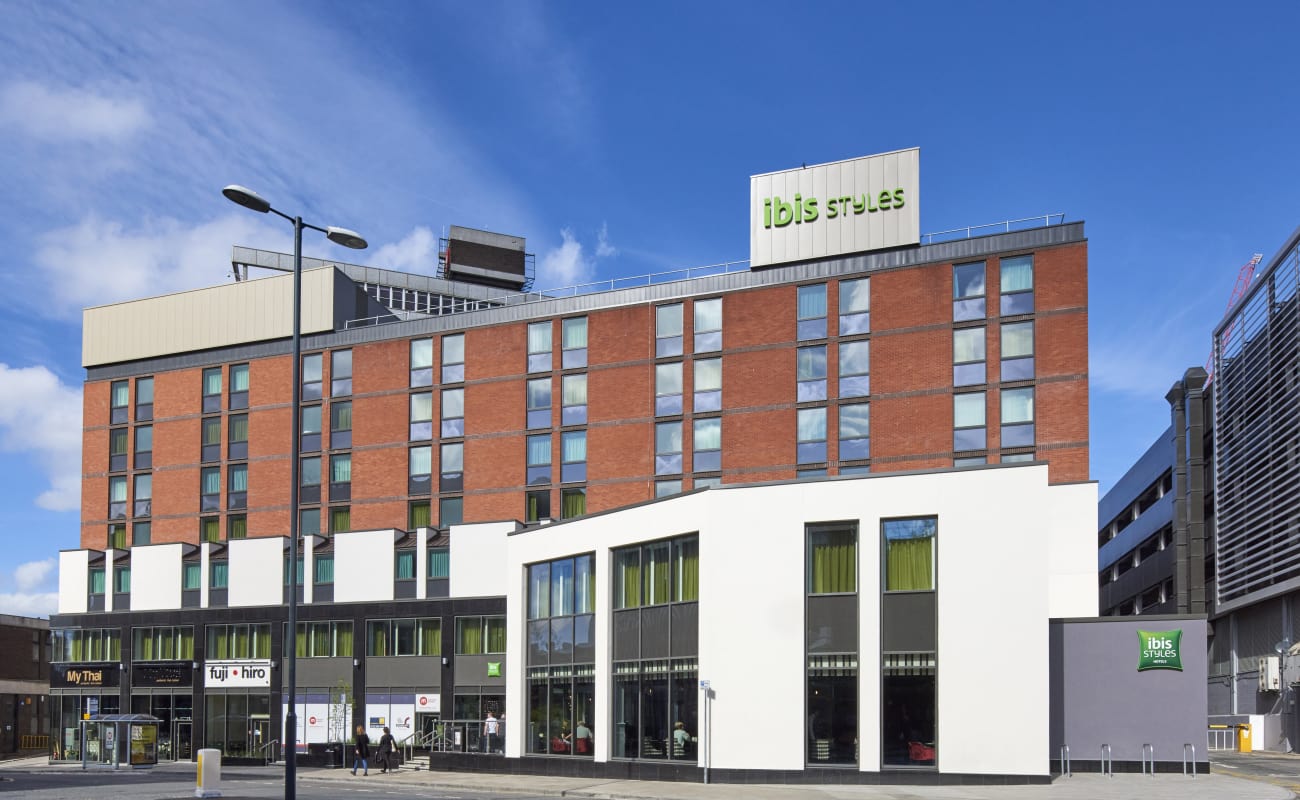
Challenge
Ibis Styles Leeds was operating without clear visibility into how energy consumption related to occupancy levels, weather conditions, and time of day. Despite strong overall energy performance relative to industry benchmarks, the property needed to understand where operational inefficiencies existed and how to reduce unnecessary consumption without disrupting guest services or requiring significant capital investment.
Solution
Fewton deployed whole-building electricity and gas meter analysis combined with a site visit and audit to identify efficiency opportunities and validate findings at equipment level.
The approach includes:
Analysis of half-hourly electricity and gas consumption data alongside occupancy and weather patterns to establish baseline inefficiencies.
On-site audit to map energy-consuming equipment, verify operating schedules, and gather additional operational data from the engineering team.
Equipment-level consumption breakdown identifying the contribution of lighting, HVAC, catering, and hot water systems to overall demand.
Correlation analysis between energy consumption, weather conditions, and occupancy to assess system responsiveness.
Delivery of initial recommendations targeting heating controls, HVAC scheduling, hot water management, and baseload reduction.
Ongoing collaboration with the hotel's engineering team to implement recommendations and validate results through continuous monitoring.
Results
Up to 15% electricity savings and up to 12% gas savings identified, with Fewton actively managing the implementation of recommendations as an ongoing process.
Key inefficiencies identified:
Electricity:
Lighting (34%) and HVAC systems (41%) dominate electricity demand, operating continuously with limited responsiveness to occupancy or weather conditions.
A significant constant baseload is present throughout the year, with minimal seasonal variation indicating non-demand-driven consumption.
Gas:
Domestic hot water represents approximately 36% of gas consumption, maintaining a consistently high baseload year-round including through summer months.
The narrow variation between winter and summer gas consumption suggests systems are not adjusting effectively to seasonal changes.
Fewton is working with the engineering team to translate these findings into operational improvements through controls optimisation, scheduling adjustments, and structured shutdown procedures — all validated through continuous monitoring and performance tracking.
